
Lilly Files Six Lawsuits to Curb 'Black Market' Sales of Experimental Obesity Drug Retatrutide
Eli Lilly announced on Wednesday that it has filed six new lawsuits as part of a broader effort to shut down black-market sales of retatrutide, an experimental obesity medication. The drug has demonstrated powerful efficacy in clinical trials, yet the company has not submitted an FDA application. Meanwhile, unauthorized sellers—ranging from online merchants to compounding pharmacies—are marketing the substance, posing potential health risks. Lilly has referred over 200 individuals and entities to authorities and flagged more than 14,000 online listings across 100 countries.
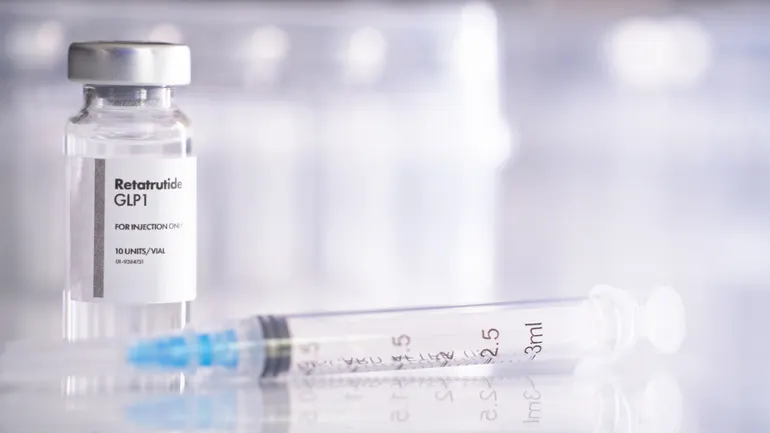
Eli Lilly on Wednesday said it has filed six new lawsuits as part of an intensified effort to combat black-market sales of retatrutide, one of its still-experimental obesity medicines. The legal actions target online platforms, payment companies, and other entities that Lilly alleges are facilitating unauthorized sales of the drug.
Background on Retatrutide
Retatrutide has delivered powerful results in Lilly's research to date, with some clinical data showing weight loss on par with bariatric surgery. However, the company is still compiling data and does not plan to submit an application for Food and Drug Administration approval until next year. In the meantime, some consumers have resorted to online merchants, clinics, compounders, and foreign companies that purport to offer versions of Lilly's product.
Risks of Black-Market Substances
The substances sold in this black market could be fake, impure, or mis-dosed, posing a myriad of dangers to consumers, Lilly said. The company emphasized that no regulatory agency anywhere in the world has approved retatrutide, yet black-market sellers and businesses posing as legitimate medical providers openly sell it as a weight-loss 'hack.'
“These 'medical spas,' 'wellness clinics,' and self-styled suppliers are not practicing medicine; they are selling illegal drugs,” Lilly added.
Regulatory and Enforcement Context
Lilly is seeking the help of courts, regulators, and law enforcement agencies at a time when top U.S. health official Robert F. Kennedy Jr. appears inclined to give a freer rein to unreviewed substances in the medical marketplace. In July, an FDA advisory panel endorsed broader use of six peptides for various ailments without substantial evidence of their safety and effectiveness.
Lilly's fight has also been complicated by the increasing use of pharmacies and companies that offer compounded versions of obesity medicines. These entities rose to prominence during the early GLP-1 drug shortage, when Lilly and rival Novo Nordisk couldn't keep up with demand. They have continued to steal market share even after the FDA declared the shortage over and ordered them to stop sales.
Lilly's Enforcement Actions
Lilly said it has already referred more than 200 people and entities to regulators, professional licensing boards, and law-enforcement officials as a result of the black-market trade. It has also flagged more than 14,000 websites, ads, social media posts, and product listings in over 100 countries.
The entities offering retatrutide aren't all 'shadowy online vendors,' CBS News reported in June. CBS found dozens of professional clinics advertising the drug along with compounding pharmacies, including Striker Pharmacy, one of the entities now being sued by Lilly.
Defendants Named in Lawsuits
Lilly also sued Aesthetic Envy, Astra Peptides, Legendary Peptides, Texas Peptides, and Lone Star Peptide, targeting several for claims that they sell retatrutide for 'research use only' products. Legendary Peptides had no immediate comment on the lawsuit. Representatives for the other five companies didn't immediately respond to requests for comments.