
Trailing rivals, AbbVie scores win with dual-acting myeloma drug
On September 3, AbbVie announced that its bispecific antibody etentamig met the primary endpoint in the Phase III CERVINO trial for relapsed/refractory multiple myeloma, significantly extending patients' progression-free survival. Safety data showed that etentamig had lower rates of severe immune-related adverse events compared to similar marketed drugs, which may support its broader use in community oncology centers. Although the drug is launching four years later than J&J's Tecvayli, its differentiated safety profile could help it secure a position in the highly competitive market.
Trailing rivals, AbbVie scores win with dual-acting myeloma drug
On September 3, AbbVie announced that its bispecific antibody etentamig met the primary endpoint in the Phase III CERVINO trial for relapsed/refractory multiple myeloma, significantly extending patients' progression-free survival. Safety data showed that etentamig had lower rates of severe immune-related adverse events compared to similar marketed drugs, which may support its broader use in community oncology centers. Although the drug is launching four years later than J&J's Tecvayli, its differentiated safety profile could help it secure a position in the highly competitive market.

This week in charts: China deals, stock flatlines and Lilly’s M&A spree
This week, licensing deals between Chinese biotech companies and Western pharmaceutical firms remained active, Eli Lilly accelerated its M&A pace, while Alumis and Ultragenyx saw stock declines due to clinical trial failures.

Ionis’ rare neurology drug approved; Pfizer inks an ADC deal
This week's pharmaceutical industry highlights: FDA approved Ionis's Zanvastro for the rare disease Alexander disease; Pfizer signed an ADC co-development agreement with Medicus Pharma; Climb Bio reported positive early data for CLYM116; Revolution Medicines' Rasonque study was published in NEJM; Typewriter Therapeutics secured $56 million in funding; Tscan Therapeutics announced a 75% workforce reduction.

NeuroGT Announces FDA Clearance of Investigational New Drug Application for NGT-104, an AAV9 Gene Replacement Product for MPS IIIB | BioPharma Dive
NeuroGT, a clinical-stage gene therapy company, announced that the U.S. FDA has cleared the IND application for NGT-104. NGT-104 is an AAV9 gene replacement product intended for the treatment of MPS IIIB (Sanfilippo syndrome type B). The approved Phase I/II human clinical trial is expected to begin patient enrollment in January 2027.
An AI drug specialist zeroes in on rare forms of obesity
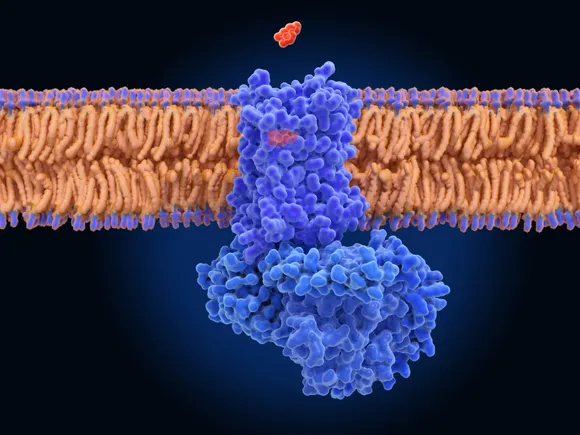
AI drug discovery company Superluminal Medicines announced the completion of an oversubscribed $60 million Series B financing round to advance its first candidate drug targeting rare genetic obesity into the clinic. The drug targets the MC4R receptor and is expected to enter human testing by the end of the year. The company plans to initially focus on Bardet-Biedl syndrome and hypothalamic obesity, with potential future expansion to Prader-Willi syndrome and general obesity.
GSK wagers up to $1.3B on a different kind of cancer drug
GlaxoSmithKline (GSK) announced a licensing agreement worth up to $1.3 billion with Hutchmed to acquire majority rights to the latter's investigational therapy HMPL-A830. This therapy is a novel antibody-targeted conjugate drug designed to target both EGFR and KRAS, with potential for use in treating multiple tumor types. Hutchmed will be responsible for Phase I clinical trials, after which GSK will lead global development (excluding mainland China, Hong Kong, Macau, and Taiwan).

Ultragenyx to weigh ‘significant’ cost cuts as Angelman drug fails key study
Ultragenyx's stock nearly halved after its Phase III study of the Angelman syndrome candidate drug GTX-102 (apazunersen) failed to meet primary and secondary endpoints. The company plans to evaluate the drug program and seek significant cost reductions, focusing on marketed products, aiming for profitability by 2027.
Akeso, Summit cancer drug confirms lung cancer survival benefit
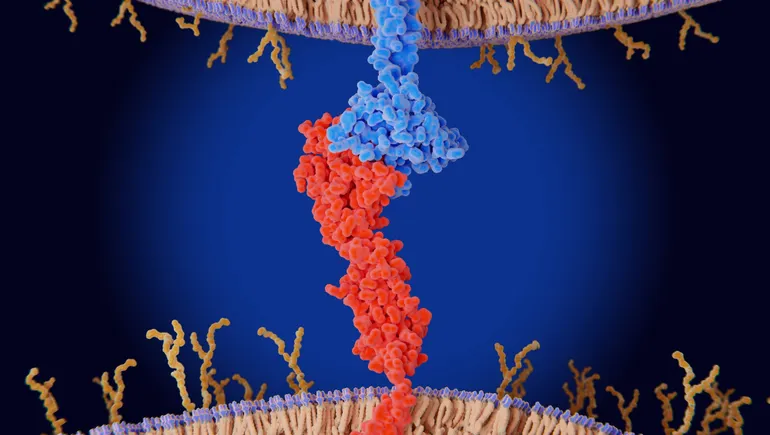
Akeso Biopharma and Summit Therapeutics announced on Thursday that their co-developed bispecific antibody, ivonescimab, met the key secondary endpoint of overall survival in an interim analysis of a Phase 3 clinical trial (HARMONi-2) in Chinese patients with non-small cell lung cancer. Results showed that patients treated with ivonescimab had significantly prolonged overall survival compared to those treated with Merck's pembrolizumab (Keytruda). Full data are expected to be presented at a lung cancer conference later this month. Although the trial results do not directly serve as the primary basis for a U.S. marketing application, they bolster industry confidence in positive outcomes from another global head-to-head trial.