
Gene Therapy
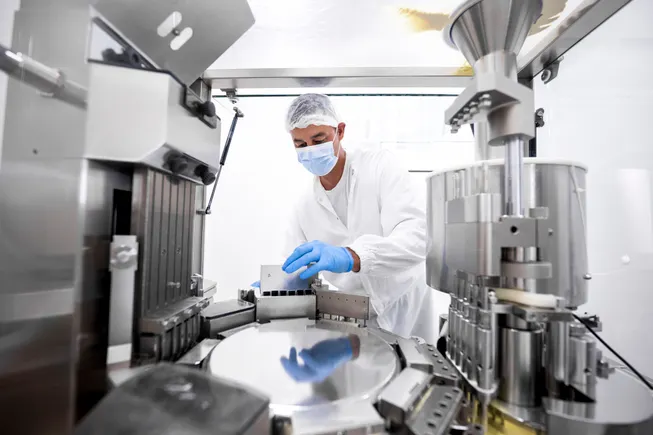
The hidden scale-out problem behind CAR-T’s growth
Autologous CAR-T therapy faces a unique "horizontal scaling" challenge in commercial expansion: each additional patient requires a new personalized production batch, rather than simply increasing batch size. The rapid growth of Carvykti from Legend Biotech and Johnson & Johnson highlights the highly coupled complexity of manufacturing, testing, logistics, and clinical scheduling. The industry is attempting to overcome this scaling bottleneck through automation, standardized processes, and new approaches such as in vivo CAR-T.

Autoimmune CAR-T faces tough questions after Novartis, Bristol Myers study halts
This week, Novartis and Bristol-Myers Squibb paused several clinical trials of CAR-T therapies in autoimmune diseases due to safety incidents such as severe immune reactions, leading to fluctuations in related companies' stock prices and prompting the industry to reassess the risks and prospects in this field.
UniQure, after setbacks, seeks FDA approval of Huntington’s gene therapy
UniQure announced on Wednesday that it has submitted a marketing application for AMT-130 gene therapy, which could become the first drug to treat the underlying cause of Huntington's disease. The company is seeking FDA priority review and accelerated approval, based on three-year data showing the therapy significantly slows disease progression. Previously, new FDA leadership had questioned its data and required a new double-blind trial, but later shifted stance after leadership changes. Analysts believe regulatory risks remain, but avoiding sham surgery controls makes confirmatory trials more feasible.
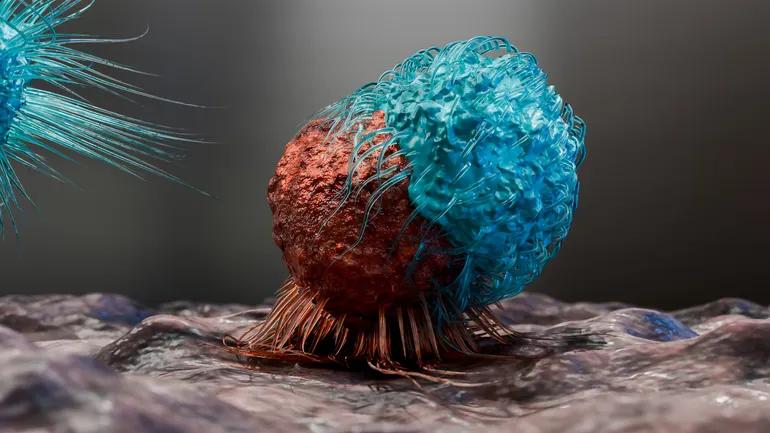
Novartis, Bristol Myers pause autoimmune CAR-T trials due to safety concerns
Novartis and Bristol Myers Squibb confirmed on Monday that they have paused several trials of their cell therapy programs for autoimmune diseases after observing inflammatory side effects in the studies. Novartis reported three cases of immune effector cell-associated hemophagocytic lymphohistiocytosis (IEC-HS), including a fatal outcome, while Bristol Myers Squibb proactively paused enrollment after monitoring transient, reversible inflammatory events. Both companies stated they are reviewing the data and communicating with regulators, while emphasizing confidence in their respective products. Analysts noted that rapid manufacturing processes may increase the risk of cell expansion and toxicity, but other factors could also be relevant.
Ultragenyx, after setbacks, nabs first gene therapy approval
Ultragenyx announced on Wednesday that the FDA approved Glenglycos, a one-time gene therapy for glycogen storage disease type Ia (GSDIa). This is the company's first gene therapy approval and its fifth approved product. The therapy will be priced at $2.7 million per patient, and the company plans to make it available within 30 to 60 days. The approval also comes with a priority review voucher, which Ultragenyx intends to sell to support its path to profitability by 2027. Analysts see the approval as a significant win, though they note the therapy's peak sales may be modest.
PTC takes a chance on Sangamo’s Fabry disease gene therapy
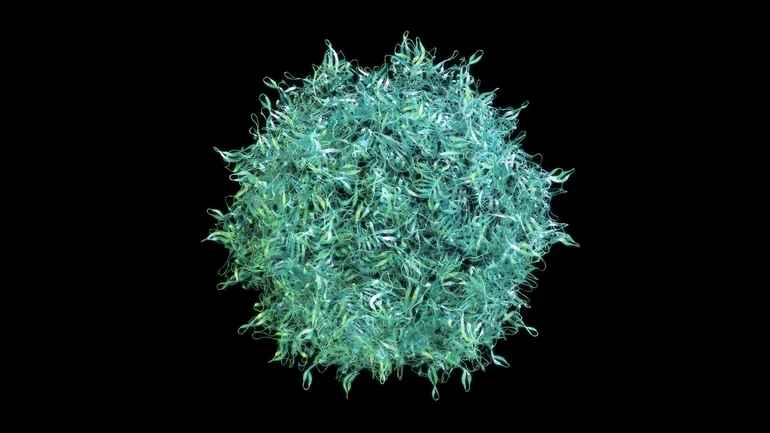
PTC Therapeutics 宣布将以最高 2.11 亿美元的总对价,从正处于破产保护中的 Sangamo Therapeutics 手中收购其用于治疗法布里病的在研基因疗法 ST-920(isaralgagene civaparvovec)。该交易通过竞争性拍卖达成,PTC 将支付 1.11 亿美元现金,并视监管审批进展支付额外里程碑款项。PTC 计划在第四季度完成向美国 FDA 提交的生物制品许可申请,若获加速批准,最早可于 2027 年实现商业化。

Scribe’s Benjamin Oakes on a rare IPO and bringing CRISPR to the masses
Gene-editing company Scribe Therapeutics, based at a former naval shipyard in California, is attempting to bring CRISPR technology to the masses. In an interview, CEO Benjamin Oakes explains its epigenetic silencing strategy, views on the competitive landscape, and why it opted for an IPO a year before clinical data is released.
FDA approves Moderna’s mRNA flu vaccine
The U.S. Food and Drug Administration (FDA) has approved Moderna's world's first mRNA influenza vaccine, mFlusiva (formerly known as mRNA-1010), for the prevention of seasonal influenza in adults aged 50 and older. The approval for individuals aged 65 and above is an "accelerated approval," requiring post-marketing confirmatory studies. Moderna expects the vaccine to be available in the United States before the 2026-2027 influenza season, with reviews currently underway in Europe, Canada, and Australia.
Capricor Duchenne cell therapy voted down by FDA panel
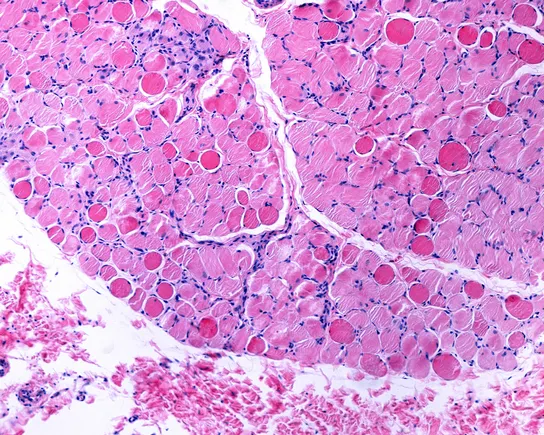
The U.S. FDA advisory committee voted 9 to 3 on Wednesday, determining that Capricor Therapeutics' experimental cell therapy deramiocel failed to provide sufficient evidence of its efficacy for Duchenne muscular dystrophy-associated cardiomyopathy. FDA scientists expressed skepticism about the data submitted by Capricor, despite the therapy meeting its primary goal in a Phase III study. The FDA is expected to make a decision on Capricor's latest submission by August 22.
Sarepta, in search of a turnaround, taps ex-AbbVie exec Severino as CEO
Sarepta Therapeutics announced that Michael Severino will assume the role of CEO on July 28, succeeding Doug Ingram, who had previously announced his retirement. Severino has held executive positions at AbbVie, Amgen, and Tessera Therapeutics, with over 25 years of experience in the biopharmaceutical industry. Sarepta is currently grappling with declining Elevidys sales, multiple clinical trials failing to meet primary endpoints, and a substantial decline in stock price from its peak. The new CEO's industry background is seen as a key factor in addressing these challenges.