
PTC takes a chance on Sangamo’s Fabry disease gene therapy
PTC Therapeutics 宣布将以最高 2.11 亿美元的总对价,从正处于破产保护中的 Sangamo Therapeutics 手中收购其用于治疗法布里病的在研基因疗法 ST-920(isaralgagene civaparvovec)。该交易通过竞争性拍卖达成,PTC 将支付 1.11 亿美元现金,并视监管审批进展支付额外里程碑款项。PTC 计划在第四季度完成向美国 FDA 提交的生物制品许可申请,若获加速批准,最早可于 2027 年实现商业化。
Dive Brief:
- PTC Therapeutics agreed to spend as much as $211 million to take over an advanced experimental gene therapy from a company mired in bankruptcy proceedings.
- Sangamo Therapeutics has been developing the treatment, known as ST-920 or isaralgagene civaparvovec, for patients with Fabry disease. People with the rare genetic condition have mutations in a gene known as GLA, leaving them with low levels of a critical enzyme that prevents buildups of fatty substances in cells.
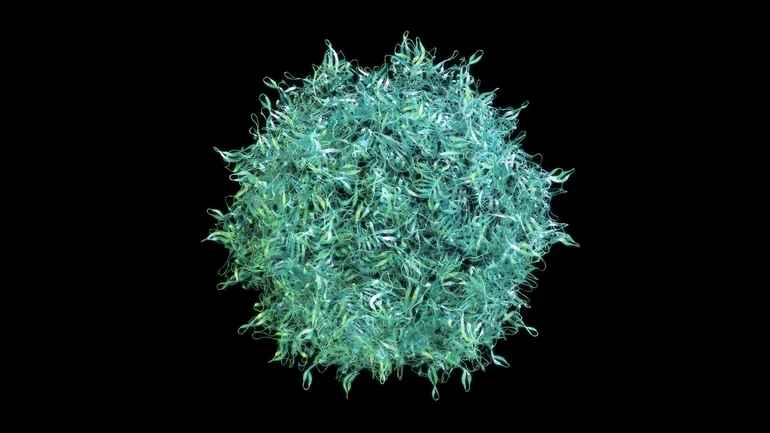
- ST-920 is designed to deliver a functioning copy of the GLA gene in a one-time infusion. Research results were promising, leading Sangamo to begin a rolling submission for Food and Drug Administration approval. PTC now plans to finish the application in the fourth quarter and potentially launch the gene therapy in 2027, according to a statement Wednesday.
Dive Insight:
Sangamo is a decades-old company that was once on the cutting edge of genetic medicine, pioneering “zinc finger” editing technology. But a series of missteps, research setbacks and ill-fated partnerships with major drugmakers left the company in Chapter 11 even as it moved toward possible FDA approval of ST-920.
As part of the bankruptcy, Sangamo put key assets up for sale, initially striking deals with Astellas Pharma for ST-920 and Eli Lilly for programs, including its zinc finger technology. The two companies served as “stalking horse” bidders in the auction, providing baseline offers for the assets.
Lilly won its part after agreeing to pay $50 million in cash. PTC prevailed in a “competitive” bidding process to claim ST-920 for $111 million in cash, plus another $80 million if the therapy wins an accelerated FDA approval and $20 million more for a full clearance. Astellas had originally offered $25 million up front and $25 million in milestone payments, according to a note from Leerink Partners analyst Joseph Schwartz.
“We initially view this acquisition as favorable,” given that the application process is already underway and PTC will not have to run a confirmatory study, Schwartz wrote in a note to clients. PTC said that regulatory submissions are “aligned with FDA,” with a 52-week trial serving as the basis for an initial accelerated approval and later results at 104 weeks set to support final, traditional approval.
PTC does face a risk in dealing with an agency that has seen major turnover and conflicting visions in its gene therapy division in recent years, analysts said. Vinay Prasad, a vocal critic of the agency’s earlier flexibility on cell and gene therapy approvals, is now gone. But there are still questions surrounding the agency’s view of these treatments.
The risk that gene therapy is “still somewhat out of favor” is somewhat mitigated by the relatively low cost for PTC and the synergies with its own rare disease business, RBC Capital Markets analyst Brian Abrahams wrote in a note to clients.
Overall, it’s a chance worth taking for PTC, offering a “prudent deal with low risk and strong upside,” Jefferies analyst Faisal Khurshid wrote in a note to clients. Treatments for Fabry disease make up a market worth more than $2 billion today, and ST-920 has the potential to address the shortcomings of the current standard of care, he wrote.