
PTC bets up to $211 million on Sangamo's Fabry disease gene therapy
PTC Therapeutics announced it will acquire Sangamo Therapeutics' investigational gene therapy ST-920 (isaralgagene civaparvovec) for Fabry disease from the bankrupt company for a total consideration of up to $211 million. The deal was reached through a competitive auction, with PTC paying $111 million in cash and additional milestone payments contingent on regulatory approval progress. PTC plans to complete the Biologics License Application submission to the U.S. FDA in the fourth quarter, and if accelerated approval is granted, commercialization could occur as early as 2027.
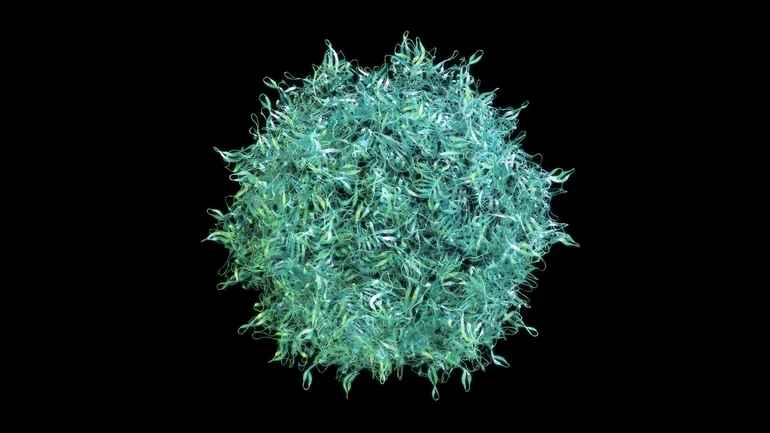
PTC Therapeutics announced on Wednesday that it has agreed to pay up to $211 million to acquire an experimental gene therapy in late-stage development from Sangamo Therapeutics, which is currently in bankruptcy proceedings. The therapy, codenamed ST-920 and with the generic name isaralgagene civaparvovec, is intended to treat Fabry disease.
Transaction Background and Asset Details
Fabry disease is a rare genetic disorder in which patients have a deficiency in a key enzyme due to mutations in the GLA gene, preventing the effective prevention of abnormal accumulation of fatty substances within cells. ST-920 is designed to deliver a functional copy of the GLA gene to patients through a one-time infusion.
Previously announcedclinical study results were encouraging, prompting Sangamo to initiate arolling submission of a marketing applicationto the U.S. Food and Drug Administration (FDA). According to PTC's statement on Wednesday, the companyplans to complete the submission of the application in the fourth quarterand hopes to bring the gene therapy to market by 2027.
Auction Process and Transaction Terms
Sangamo is a company with decades of history, once at the forefront of genetic medicine and a pioneer in "zinc finger" editing technology. However, a series ofstrategic missteps、research setbacksand unsuccessful collaborationswith large pharmaceutical companiesultimately forced the company to file for Chapter 11 bankruptcy protection even as its ST-920 therapy was on the verge of potential FDA approval.
As part of the bankruptcy process, Sangamo put its core assets up for sale. Initially, the companyreached an agreement with Astellas Pharma for ST-920and entered into a sale arrangement with Eli Lilly for its zinc finger technology and other projects. These two companies served as "stalking horse" bidders in the auction, providing baseline bids for the relevant assets.
Ultimately, Eli Lillywon its portion of the bid after agreeing to pay $50 million in cash. PTC, on the other hand, prevailed in a "competitive" bidding process, acquiring ownership of ST-920 for $111 million in cash, with a commitment to pay an additional $80 million if the therapy receives accelerated FDA approval, and another $20 million upon full approval. According to a memo from Leerink Partners analyst Joseph Schwartz, Astellas' initial offer was $25 million upfront plus $25 million in milestone payments.
Analyst Perspectives and Regulatory Risks
Schwartz wrote in a report to clients: "Given that the application process is already underway and PTC does not need to conduct confirmatory studies, we initially view this acquisition as positive." PTC stated that its regulatory submission plan has been "agreed upon" with the FDA, using 52-week clinical trial data as the basis for the initial accelerated approval, with subsequent 104-week results to support final regular approval.
However, analysts also noted that PTC faces certain risks because the FDA's gene therapy division has undergone significant personnel changes in recent years and there are conflicting regulatory visions within the agency. Vinay Prasad, who had beensharply critical of the FDA's "flexibility" in cell and gene therapy approvals , has now departed, but questions remain abouthow the agency views such therapies。
RBC Capital Markets analyst Brian Abrahams noted in a report to clients that the risk that gene therapies "remain somewhat out of favor" is mitigated to some extent by PTC's relatively low acquisition cost andsynergieswith its own rare disease business.
Overall, Jefferies analyst Faisal Khurshid commented in a report that this is a worthwhile opportunity for PTC, calling it a "prudent transaction with low risk and high upside." He wrote that the current treatment market for Fabry diseasealready exceeds $2 billion, and ST-920 has the potential to address the shortcomings of current standard therapies.