
New FDA Guidelines Expected to Boost Biosimilar Market Development
Since the US FDA approved the first biosimilar 11 years ago, it has cleared over 80 products. The new draft guidance released this week aims to lower testing thresholds in some cases and permit the use of reference drug data from outside the US, potentially cutting development costs by about half. This move is expected to alleviate high prices for biologic drugs, especially in oncology, though patent barriers and thin profit margins remain challenges.
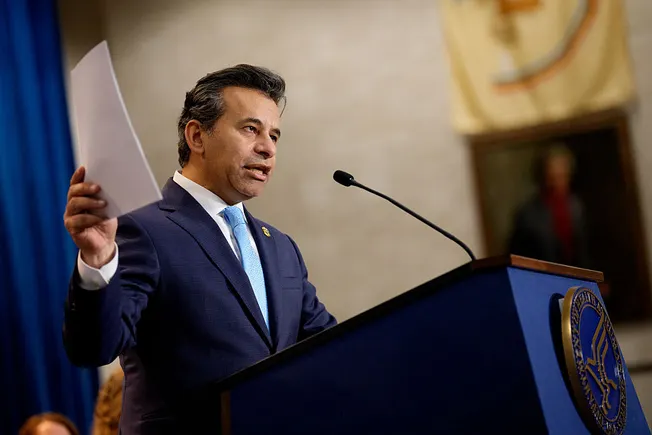
Since the U.S. Food and Drug Administration (FDA) approvedthe first biosimilar11 years ago,more than 80 biosimilarstargeting various brand-name drugs have been approved, reflecting a shift in regulatory and industry priorities.
Now, the FDA is paving the way for further approvals, aiming to introduce competition and lower drug prices for consumers through a smoother pathway. This week,the FDA released draft guidancethat, in some cases, will lower testing requirements for biosimilars, allowing companies to develop generic versions of brand-name biologic drugs at lower initial R&D costs.
R&D costs could be halved
Biosimilars are not easy to make. Unlike small-molecule drugs, which can be replicated through chemical formulas, biologics and biosimilars must be developed using living organisms. Even when a brand-name biologic is well-established, a biosimilar must be developed from scratch and proven comparable to the original drug—ideally achievinginterchangeabilitystatus.
According to FDA data, comparative studies alone can take up to three years and cost $24 million. The new guidance plans to allow biosimilar manufacturers to use data from reference products outside the U.S. For example, in Europe, regulators had approvedmore than 130 biosimilarsby last year, and generics are more common in Europe. The FDA says this shift could cut development costs by about half.
Market barriers remain
Biosimilars were initially granted anapproval pathwayin 2010 as part of the Affordable Care Act, but their adoption has been uneven. Due tolimited formulary accessand thepatent thicketsset up by brand-name drugmakers, their expected impact on prices has been limited.
However, there is evidence that if regulators continue to provide incentives, biosimilars could play a larger role in the market in the future.
The future in oncology
Because the development process is long, difficult, and expensive, biologics are costly. According to arecent reportfrom health services company Cardinal Health, although biologics accounted for only about 5% of prescriptions in 2024, they represented more than half of all drug spending that year.
Since the advent of "checkpoint inhibitors" in the mid-2010s, biologics have dominated oncology. These drugs are now used to treat dozens of cancers and have become a major business for large pharmaceutical companies.
Merck & Co.'s cancer drug Keytruda remained the world's best-selling drug last year, with revenueexceeding $35 billion。
Cancer drugs like Keytruda, as well as Bristol Myers Squibb's Yervoy and Opdivo and Genentech's Perjeta, will face exclusivity expirations before 2030, opening the door to biosimilar competition. Cardinal Health reports that this wave could lead to significant savings.
Oncologists also have the highest acceptance of biosimilars. Cardinal Health data shows that 99% of clinics say they are "confident in explaining biosimilars to patients," which could drive demand and encourage patients to switch medications.
Biosimilars of Roche's Herceptin provide an early example of cost savings in oncology. Cardinal Health found that since 2019, six generic versions of this breast cancer drug have entered the market, with the average sales price dropping by 76%.
Thin margins and patent challenges
However, some price reductions have created unsustainable markets for biosimilar manufacturers. For example, when biosimilars of AbbVie's top-selling immunology drug Humira entered the market in 2023, according to the Biosimilars Council of the Association for Accessible Medicines, some products launched at discounts of92% below the brand's acquisition cost, leaving extremely limited profit margins.
AbbVie's legal tactics pose another obstacle. The "patent thicket" of hundreds of patents around Humira kept biosimilars off the market for years, until the pharmaceutical giant reached settlements with generic makers, agreeing to launch in 2023. These biosimilars initially struggled to sell and onlygradually gained market acceptance。
about a year later. Although some biosimilars have indeed lowered costs for patients, manufacturers' profits have become too thin. The Biosimilars Council notes that given upfront investments of $100 million to $300 million and years of clinical development, "fewer manufacturers will be willing or able to bring new biosimilars to market. This means the U.S. market could face reduced competition and higher long-term costs for patients."
Regulatory changes like the FDA's revised guidance could play a role here. Major biosimilar manufacturers such as Amgen, Pfizer, and Sandoz stand to benefit from a smoother pathway to market, and if barriers to entry are lowered, prescription drug costs could decline accordingly.