
Tarsus to Acquire Alkeus for Up to $800 Million, Rare Eye Disease Drug Development Gains New Owner
Tarsus Pharmaceuticals announced on Thursday the acquisition of Alkeus Pharmaceuticals, with a total transaction value of up to $800 million, including $270 million in cash and $180 million in stock, plus milestone payments of up to $350 million. Alkeus's core asset is gildeuretinol, an experimental drug for treating Stargardt disease, which has entered Phase III clinical trials. This acquisition marks the end of Alkeus, a startup long operated by an individual.
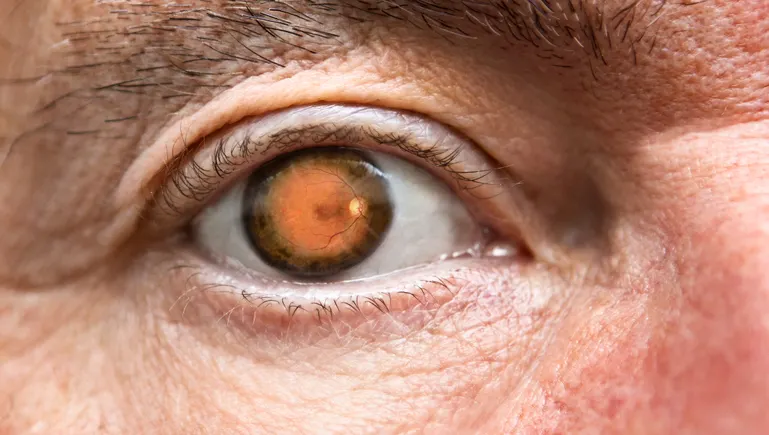
Alkeus Pharmaceuticals, a biotechnology startup focused on developing new treatments for inherited eye diseases, has agreed to be acquired by Tarsus Pharmaceuticals in a deal valued at up to $800 million. The acquisition was announced on Thursday, with Tarsus paying $270 million in cash and $180 million in stock in exchange for all of Alkeus's equity.
If Alkeus's investigational drug, gildeuretinol, for the treatment of Stargardt disease, receives regulatory approval and achieves its first sale, shareholders could also receive up to an additional $350 million. These shareholders include Bain Capital Life Sciences and TCGX, who may also receive a percentage of sales royalties.
The deal is expected to close later this year, ending an unusual journey for Alkeus. The company was operated for most of its existence by a single person, with its core drug originating from a license obtained from Columbia University 16 years ago. That person is Leonide Saad, who initially funded the company with his own money until completing a $2 million Series A round in 2011. Subsequently, Alkeus won the MassChallenge biotechnology startup competition, and Saad used this opportunity to convince the competition's judge, Josh Boger, a Merck chemist who founded Vertex Pharmaceuticals, to become executive chairman in 2012.
Boger left after several years and returned to the company between 2023 and 2025. During this period, Saad used a series of grants to advance gildeuretinol through mid-stage clinical trials and obtained Breakthrough Therapy designation from the U.S. Food and Drug Administration (FDA) to expedite review. He had previously been cautious about bringing in external investors but ultimately completed a $150 million Series B round.
Today, gildeuretinol has become one of the most promising experimental drugs for Stargardt disease, for which there are currently no approved treatments. The disease is caused by genetic defects that affect how the body produces vitamin A needed by retinal cells, leading to yellow deposits in the eye and progressive vision loss. Gildeuretinol is essentially a modified form of vitamin A that blocks the chemical reaction leading to deposit formation.
"This is the most elegant way a drug can work," Boger told BioPharma Dive in 2023, calling gildeuretinol, if successful, potentially "the most perfect drug I have ever seen."
Currently, Saad is no longer an executive and has become a board member; Boger also no longer appears on the list of directors on Alkeus's website. However, the development of gildeuretinol is now being advanced by a larger company led by a different management team.
Tarsus noted on Tuesday that in a placebo-controlled study, treatment with gildeuretinol slowed the annual growth of harmful deposits by 29.5%. Another study showed that treated patients had a much lower risk of vision loss under dim light compared to the placebo group. To date, more than 400 patients have received the drug, with some treated for up to seven years. According to the company, researchers found no treatment-related effects on night vision, color vision, or light-dark adaptation.
"We believe gildeuretinol has the potential to be a transformative drug for Stargardt disease," Tarsus CEO Bobby Azamian said in a statement.
Currently, a Phase III clinical trial is underway, planning to enroll about 230 patients, with results expected in 2029. By then, at least one competing Stargardt disease drug may already be on the market—Belite Bio submitted a new drug application to U.S. regulators in June.