Deep Dive
来自我们记者的行业洞察

How Amgen Built a 'Patent Thicket' Around Its Blockbuster Drug to Extend a Three-Decade Monopoly
By constructing a dense patent network, Amgen extended the market exclusivity period for its arthritis drug Enbrel from the standard 20 years to 37 years, generating cumulative revenue of over $74 billion. This strategy has raised concerns among policymakers about drug pricing and faces legislative challenges.
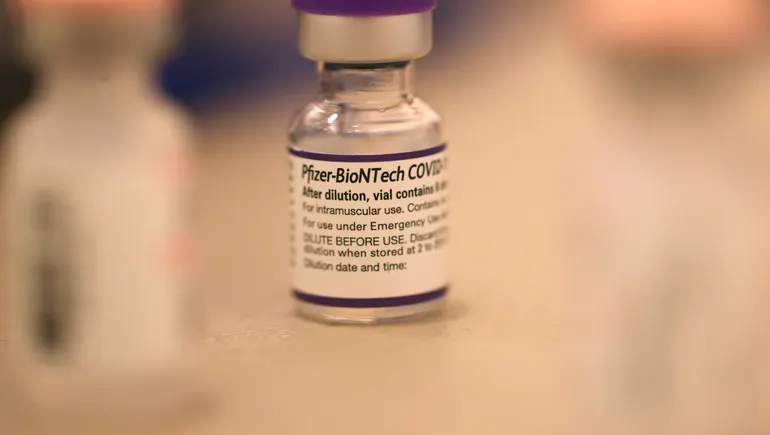

Vertex executives defend R&D strategy: 'Exactly the time to double down' under pressure
After setbacks in its alpha-1 antitrypsin deficiency (AAT) drugs, Vertex Pharmaceuticals CEO Reshma Kewalramani and Chief Scientific Officer David Altshuler publicly defended the company's diversified R&D strategy. Despite the stock falling nearly 30% over the past year and mounting analyst criticism, the two emphasized that 'this is not the time to retreat but to double down,' citing the company's success in cystic fibrosis as evidence.

Biotech M&A Accelerates: Real-Time Tracking of Deal Dynamics
In the field of drug development, deals are as important as scientific breakthroughs. In recent years, large pharmaceutical companies have frequently acquired innovative biotechnology companies to supplement their product pipelines. This database compiles biotechnology M&A deals valued at least $50 million since 2018, covering information such as acquirer, target, deal date, total consideration, price per share, and premium, and is regularly updated.

Intellia Releases First Clinical Data, CRISPR Gene Editing Reaches a 'Milestone' Moment
The experimental CRISPR gene editing drug co-developed by Intellia Therapeutics and Regeneron Pharmaceuticals showed positive results in an early trial for treating the rare genetic disease transthyretin amyloidosis (ATTR). After treatment in six patients, levels of the disease-causing protein dropped significantly, with only mild side effects. The results, published in the New England Journal of Medicine, represent the first clinical evidence of CRISPR gene editing successfully treating a disease in the human body, and were hailed by experts as a 'milestone event in modern medicine.'

Shift in Antitrust Regulation: Pharmaceutical M&A Scrutiny Tightens
The U.S. Federal Trade Commission (FTC) and regulators in Europe, the UK, and Canada announced in March that they would reassess how pharmaceutical mergers are reviewed, particularly targeting major deals such as Bristol-Myers Squibb's acquisition of Celgene and AbbVie's acquisition of Allergan. Experts expect regulators to pay greater attention to the potential impact of mergers on drug prices, innovation, and the competitive landscape. Although the industry has yet to see a significant impact, the risk is already viewed as a "credible threat."
First New Alzheimer's Drug Approved, Raising Questions About Eligibility and Accessibility
The U.S. FDA approved Aduhelm, the first new Alzheimer's drug in nearly 20 years, but significant disagreements remain among patients, doctors, and payers over its efficacy evidence, pricing, insurance coverage, and diagnostic capabilities.

FDA's Historic Approval of a Closely Watched and Controversial New Alzheimer's Drug
The FDA made a historic decision on Monday, approving for the first time a drug aimed at slowing the progression of Alzheimer's disease, aducanumab (brand name Aduhelm). Developed jointly by Biogen and Eisai, the drug's clinical trial results were contradictory, and the FDA did not follow the recommendations of its advisory committee, sparking widespread controversy. Experts expect the drug to profoundly impact the treatment and drug development of Alzheimer's disease, but issues such as its clinical benefits, pricing, and insurance coverage remain unresolved.