
Deep Dive
来自我们记者的行业洞察
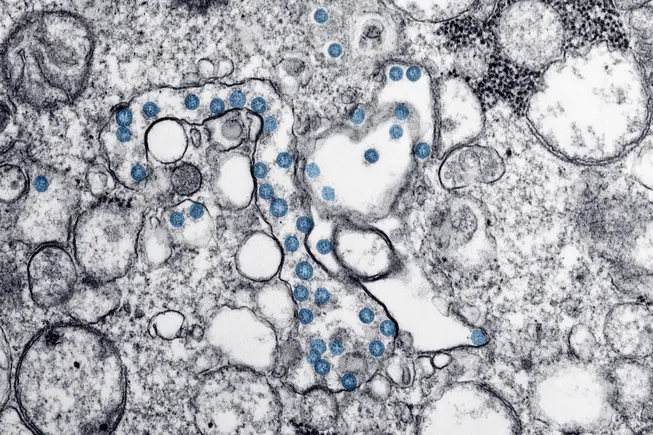
COVID-19 vaccine may be available next year, but 'herd immunity' will still take time
Anthony Fauci, a top U.S. infectious disease expert, said a COVID-19 vaccine could be available within 12 to 18 months. However, experts point out that even with rapid approval, achieving herd immunity will still take years, involving multiple challenges such as production capacity, distribution, and biological uncertainties.
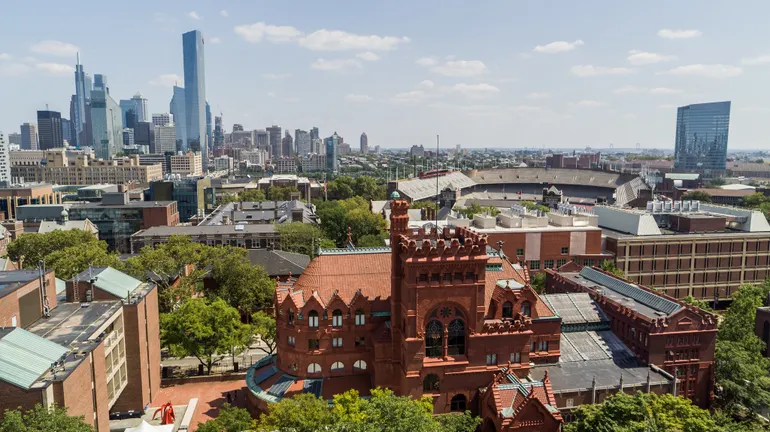
Gene Therapy R&D Focus Shifts: Academia Fills Long-Standing Void Left by Big Pharma
Because big pharma was skeptical of gene therapy a decade ago, academic institutions such as the University of Pennsylvania and Nationwide Children's Hospital had to advance experimental programs to later stages before transferring them to biopharmaceutical companies. This shift led university technology transfer offices to engage deeply in the technical and commercial details of preclinical drug development, spawning startups like AveXis and Spark Therapeutics, which were ultimately acquired at high prices by large pharmaceutical companies. Recent research shows that among 341 active gene therapy trials in 2019, hospitals, universities, and the U.S. National Institutes of Health funded 206.
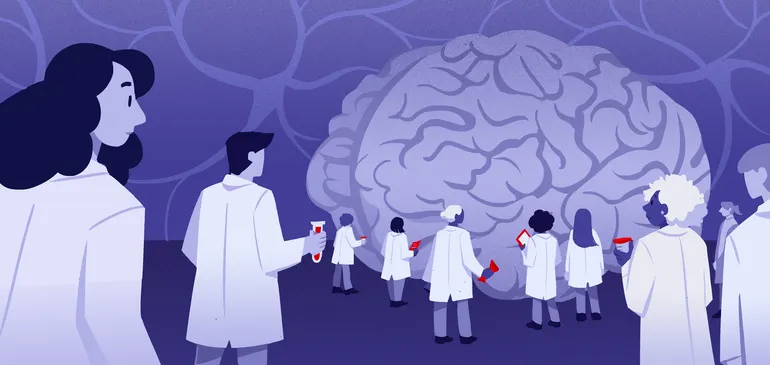
Large pharmaceutical companies once withdrew from brain drug R&D. Is a return wave imminent?
Over the past decade, large pharmaceutical companies have withdrawn from the neuroscience field, but recent advances such as gene therapy may attract them back. Industry executives and analysts expect that a new golden age of brain drug R&D could emerge within the next five years.
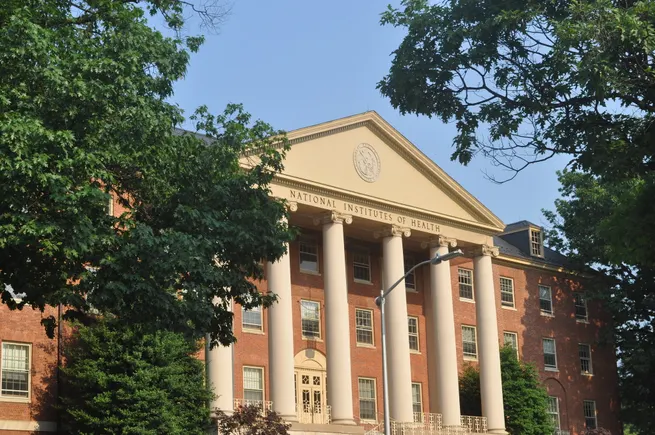
Will Sky-High Drug Prices Prompt the US to Use Its Little-Known Patent March-In Rights?
The 2010 Fabry disease drug shortage incident once sparked discussions about the US government's 'march-in rights.' Now, as drug pricing becomes a political hot topic, this rarely used patent power is being re-examined. This article analyzes its legal basis, historical cases, and potential future applications.
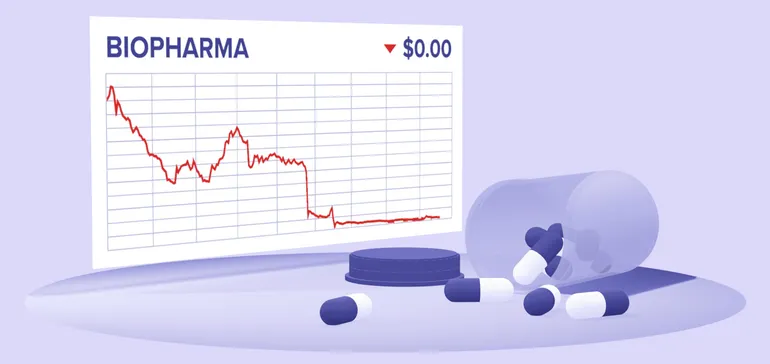
A Wave of Biopharma Bankruptcies Looms: Rising 2019 Filings Raise Industry Concerns
Bankruptcies among biopharmaceutical companies are uncommon in the industry, but the number of firms seeking bankruptcy protection rose in 2019. Industry experts warn that, amid combined financial, legal, and political pressures, more companies may face the risk of going to zero in the future.
Tracking List of Biopharma Bankruptcy Filings in 2019
The number of bankruptcy cases in the biopharmaceutical industry in 2019 reached a new high since 2011. As of November 19, 11 companies have filed for Chapter 11 bankruptcy protection, with several burdened by opioid litigation, while other antibiotic developers have struggled due to commercialization setbacks. This article provides a complete list and links to related in-depth analyses.
31 Biopharmaceutical Companies Facing High Bankruptcy Risk in 2020
Based on CreditRiskMonitor's FRISK scoring system, BioPharma Dive identified 31 biopharmaceutical companies listed on major U.S. exchanges, with stock prices above $1 and market capitalizations exceeding $50 million, as having the highest bankruptcy risk over the next 12 months. The list includes large pharmaceutical companies such as Teva Pharmaceutical and Bausch Health, as well as smaller biotech firms like Clovis Oncology and Puma Biotechnology.

CEOs of major U.S. pharmaceutical companies generally refuse to give up the chairman position
Pfizer announced that its CEO Albert Bourla will also serve as chairman starting January 1 next year, indicating that the trend of separating the CEO and chairman roles among major U.S. pharmaceutical companies remains rare. This article analyzes the unique governance structure choices in the U.S. biopharmaceutical industry and compares them with peers in Europe and Asia.

First-of-its-kind platform trial in ALS brings hope for a devastating disease
A first-of-its-kind adaptive platform trial in amyotrophic lateral sclerosis (ALS) will simultaneously test five experimental drugs, bringing new hope to patients with this neurodegenerative disease that lacks effective treatments. Led by the Healey Center for ALS at Massachusetts General Hospital, the trial aims to accelerate ALS drug development and may serve as a template for research into other rare diseases.
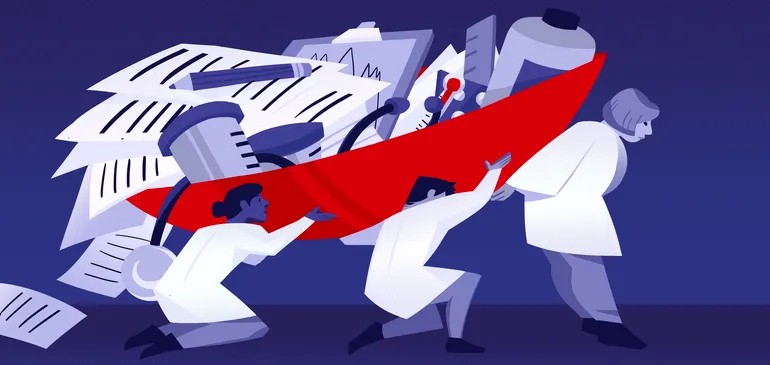
Cancer Centers Under Pressure: Drug Development Boom Tests Capacity of Large Research Institutions
The boom in cancer drug development has left large U.S. research institutions facing an overload of clinical trial applications, with system efficiency under scrutiny. Immuno-oncology is a key driver, yet challenges like trial backlogs and patient recruitment difficulties are increasingly evident.